
 Cart is empty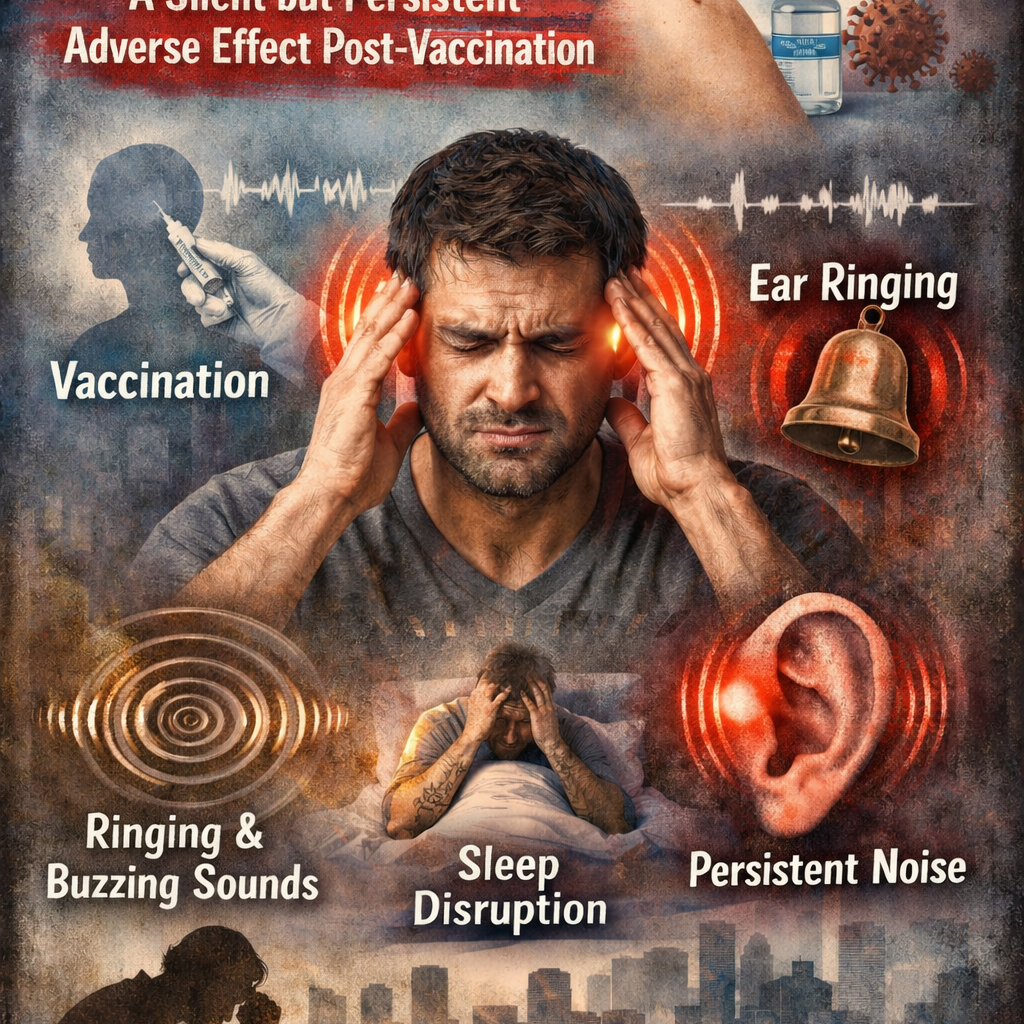
While vaccination has been widely adopted, reports of lesser-known adverse events, such as tinnitus (ringing in the ears), have been emerging globally. Tinnitus is characterized by a constant ringing sound in the absence of external noise and has been affecting individuals just hours after immunization.
The Impact on Patients’ Lives
Patient reports, such as “Mary’s,” who developed the symptom an hour after her first Pfizer dose, illustrate the distress caused by the condition. Many patients face:
- Difficulty in validation: Health professionals often deny the link between the symptom and the vaccine.
- Social isolation: The fear of being labeled “anti-vax” prevents many from openly discussing their suffering.
- Severity: For some, the constant noise impairs concentration and sleep, leading to severe depression and suicidal thoughts.
What Science and Data Say
While a causal relationship is still debated, warning signs are present:
- Safety Signals: The CDC detected tinnitus as a safety signal among hundreds of others following mRNA vaccination.
- VAERS: Over 17,000 cases of tinnitus have been reported in the VAERS system linked to COVID-19 vaccines, representing 80% of all such reports in the system.
- Probable Mechanisms: Experts suggest the problem may be caused by inflammation from the immune response, autoimmune reactions, or microclots reducing oxygen flow in the ears.
Treatment and Relief Strategies
Since there is no definitive cure for tinnitus, doctors are exploring various approaches to help patients:
- Behavioral Therapies: Using hearing aids or white noise (soft music) to “train” the brain to ignore the sound.
- Supplementation and Medications: Some doctors recommend B-complex vitamins, ivermectin, or nattokinase to treat underlying causes like microclotting.
- Advanced Procedures: Options like non-invasive brain stimulation or ganglion blocks have shown success in specific cases.
The core message from experts and patients is the need for recognition and research. Even if adverse events are considered rare, they require validation and adequate medical support so that those affected do not have to suffer alone.
Leave A Comment